
The entertainment industry has always evolved alongside technology. From the transition to sound films to the rise of digital effects, innovation has consistently reshaped how stories are told on screen. Today, another major shift is underway, driven by rapid advancements in artificial intelligence and visual production tools.
These developments are raising new questions about creativity, performance, and the role of human talent in filmmaking. As studios experiment with new tools, the boundaries between reality and digital creation are becoming increasingly blurred.
AI Replacing Actors: How Technology Is Changing Performances
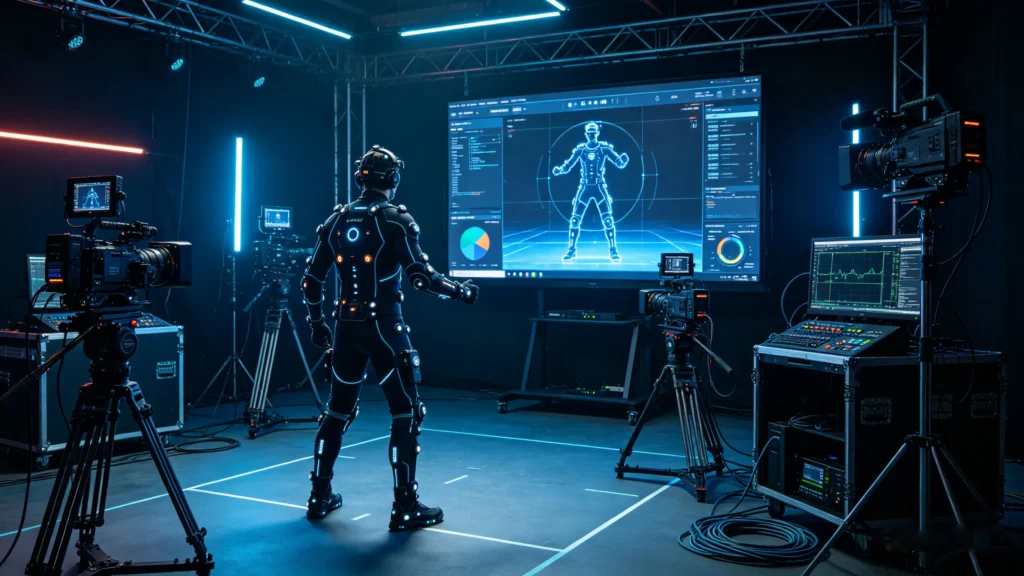
The idea of AI replacing actors is no longer just science fiction. In modern filmmaking, technology is already being used to recreate faces, voices, and movements with impressive accuracy. This has made AI replacing actors a real topic of discussion within the industry.
One of the most common uses of AI replacing actors is digital de-aging. Actors can appear younger on screen without traditional makeup or editing techniques. Similarly, digital doubles are used in action scenes, allowing filmmakers to create safer and more controlled environments. These applications show how AI replacing actors is already influencing production.
However, there are clear limitations to AI replacing actors. Human performances involve subtle emotions, improvisation, and unique expressions that are difficult for machines to replicate. While AI replacing actors can enhance visual realism, it often lacks the emotional depth that audiences connect with.
Ethical concerns also play a role in the debate around AI replacing actors. Issues such as consent, intellectual property, and the use of an actor’s digital likeness are becoming increasingly important as technology advances.
AI in Film Industry: Innovation, Efficiency, and Creative Opportunities
The growth of AI in film industry goes far beyond performance. Artificial intelligence is now being used in multiple stages of filmmaking, from pre-production to post-production. This makes AI in film industry a powerful tool for improving efficiency and creativity.
One major advantage of AI in film industry is speed. Editing, visual effects, and even script analysis can be completed faster with the help of AI tools. This allows studios to reduce production timelines and costs, making filmmaking more accessible.
Another important aspect of AI in film industry is personalization. AI can analyze audience preferences and predict which types of content are likely to succeed. This data-driven approach is influencing how films are developed and marketed.
Despite these benefits, the rise of AI in film industry also raises concerns about job displacement. As automation increases, some roles in filmmaking may change or become less relevant. Balancing innovation with human creativity remains a key challenge in the AI in film industry.
Digital Actors and CGI Technology: The Future of On-Screen Talent
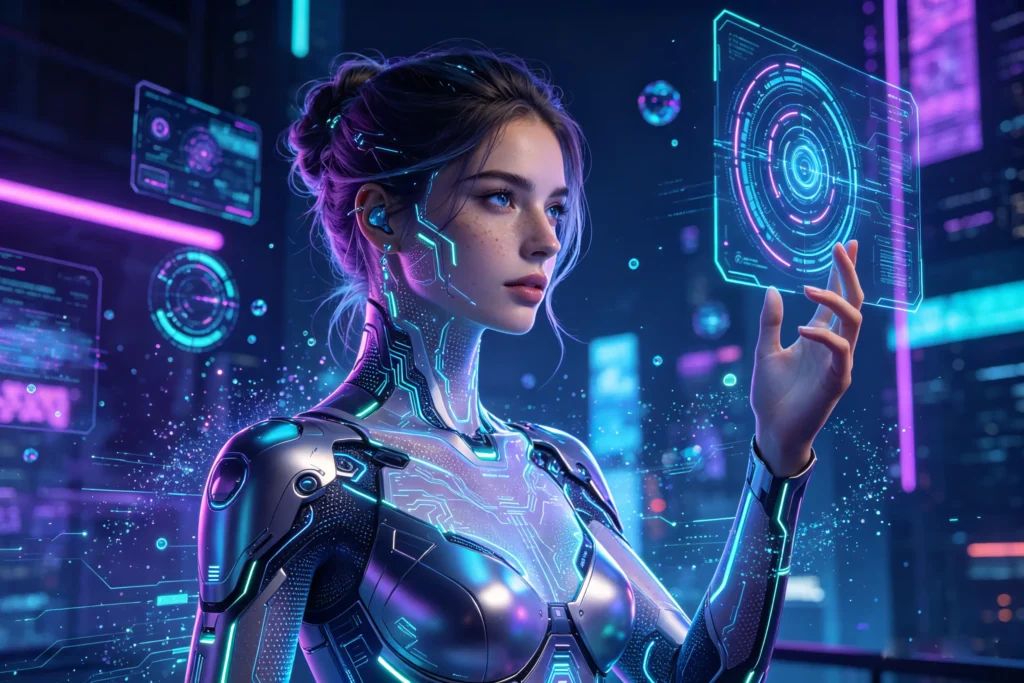
The development of digital actors and CGI technology is closely linked to the conversation about AI replacing actors. These technologies allow filmmakers to create characters that do not exist in real life, opening up new possibilities for storytelling.
Digital actors and CGI technology are often used for fantasy films, animated characters, and complex visual scenes. They also play a role in recreating historical figures or completing scenes when actors are unavailable. This flexibility makes digital actors and CGI technology an essential part of modern filmmaking.
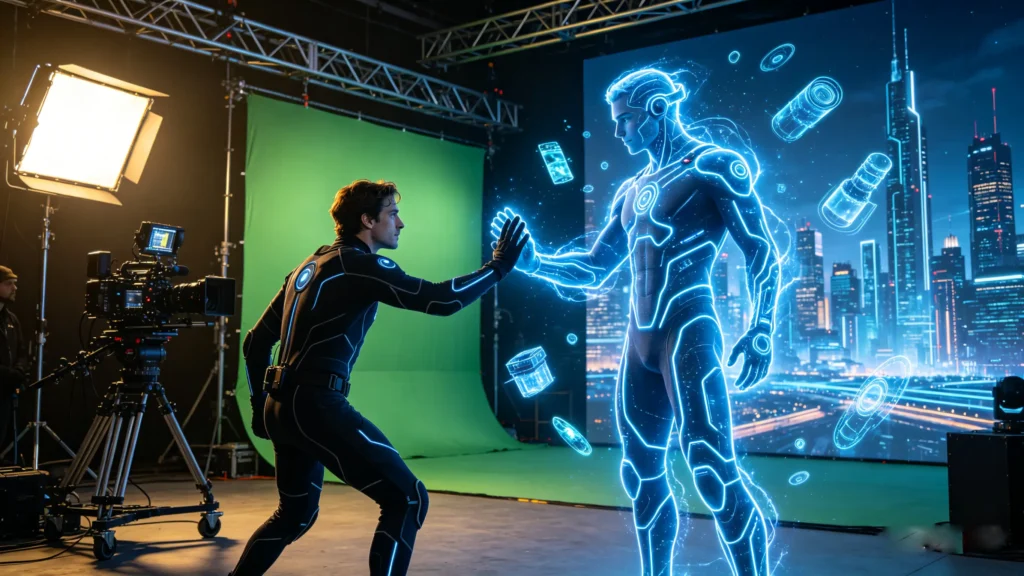
In many cases, digital actors and CGI technology are used alongside human performers rather than replacing them. This hybrid approach allows filmmakers to combine real emotion with digital precision, creating more immersive experiences.
Looking ahead, digital actors and CGI technology are expected to become even more advanced. However, their role will likely complement human talent rather than fully replace it. The connection between audience and performer remains a key element that technology cannot fully replicate.
Conclusion
The question of AI replacing actors reflects a broader transformation in the AI in film industry. While technology is rapidly advancing, human creativity, emotion, and authenticity remain central to storytelling. The rise of digital actors and CGI technology shows that innovation is expanding the possibilities of filmmaking rather than eliminating the need for actors.
In the future, the film industry will likely continue to evolve through collaboration between technology and human talent. Instead of replacing actors, AI is more likely to enhance the creative process and redefine how stories are brought to life.